


Top Heroes: Kingdom Saga
All trademarks belong to their respective owners.
Popular Reviews





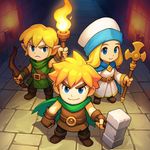
Top Heroes: Kingdom Saga is one of those mobile games where explaining "what you actually do" requires understanding six interlocking systems that only make sense when you see them working together. If you look at the game surface-level, it looks like every other mid-market mobile RPG — a kingdom map, animated heroes, sparkle effects on buttons, gacha-adjacent hero unlocks. What separates it from its dozens of competitors is not any single feature but the specific way its systems interact.
This review is going to walk through those six systems in order, then step back and explain who benefits from playing this specific combination and who should skip it. If the systems-focused approach sounds dry, understand: this is a game where the meta-loop is the fun. If you don't want to think about system optimization, this isn't your game.
System 1: Kingdom Building
Your kingdom is your persistent base. Buildings produce resources over time, unlock new capabilities, and gate progression to the next tier of content.
Core buildings include:
- Resource generators (farms, mines, quarries, lumber camps) that produce the raw materials for everything else
- Military structures (barracks, training grounds, siege workshops) that let you produce and upgrade combat units
- Hero infrastructure (heroic hall, training academy, gear forge) that supports your collectible heroes
- Utility buildings (research center, embassy, market) that unlock strategic options
- Defensive structures (walls, towers, garrisons) that protect against enemy attacks
Each building has multiple upgrade tiers with escalating resource costs and time investments. Early buildings upgrade in minutes. Late buildings can take hours or days per upgrade. This creates the specific mobile-game pacing where you check in periodically to queue up new upgrades rather than actively playing continuously.
The strategic question of kingdom building is prioritization. You can't upgrade everything simultaneously. Which buildings you focus on determines what kind of player you become — economy-focused, military-focused, hero-focused, or defense-focused. Different paths produce different mid-game viable identities.
System 2: Hero Collection and Development
Heroes are your combat units, your quest characters, and your primary reason for opening the game daily.
The roster is approximately 100+ heroes at current count, drawn from a fantasy setting with specific class archetypes (warriors, mages, archers, healers, support units, tank varieties). Each hero has:
- Base stats determining raw combat effectiveness
- Class role (tank, DPS, healer, support, control)
- Signature abilities — unique moves that define combat identity
- Element/faction affecting matchups and synergies
- Rarity tier affecting acquisition method and potential
Hero acquisition happens through gacha-style pulls, story mode completion rewards, event participation, and specific in-game store purchases. Free-to-play players can build a competent hero roster over time. Whales can build a much larger and rarer roster immediately.
Hero development involves multiple parallel progression tracks:
- Leveling through experience gained in battle
- Ascending through duplicate hero fusion or specific ascension materials
- Equipping through gear items with random stat rolls
- Skill upgrading through skill books or duplicate hero materials
- Bonding with other heroes for team synergy bonuses
Optimal hero development is a genuine strategic puzzle. Because you can't max everything, you pick specific heroes to invest in and specific development paths for each.
System 3: Combat and Battle
Combat happens in tactical battle sequences where you deploy a team of heroes against enemy compositions. Battles are semi-automated — you select your team composition and starting positions, then heroes execute their abilities automatically according to combat AI.
The strategic layer is in preparation:
- Team composition — which heroes work together
- Formation — where they stand relative to each other
- Ability priority — which abilities are set to trigger under what conditions
- Equipment loadout — which gear amplifies which strategies
- Counter-picking — which heroes counter the enemy's specific team
Actual battle execution is watching your setup play out, with occasional player intervention for ultimate abilities that require manual activation.
This semi-auto approach is common in mobile RPGs and produces a specific pleasure that manual combat doesn't. You're playing a strategist role rather than an active combatant. Your victories feel like planning wins. Your losses require re-planning rather than reflex improvement.
For players who specifically want active combat, this style will disappoint. For players who enjoy strategic preparation and observation, it's genuinely engaging.
System 4: Campaign, Events, and Content Modes
The game structures its content across multiple parallel modes.
Main Campaign is the primary progression path. You clear stages in order, unlocking story content, hero rewards, and access to new game features. Campaign difficulty escalates and eventually gates progression behind hero development goals.
Elite/Nightmare Campaign is harder versions of completed campaign stages, providing better rewards and requiring more sophisticated team compositions.
PvP Arena is where you fight other players' defensive teams. Rankings and rewards create competitive pressure. Arena requires specific team compositions optimized for versus-player combat, which are often different from PvE-optimal compositions.
Guild Content is where you cooperate with a guild of other players. Guild bosses require coordinated team submissions. Guild wars pit guilds against each other. Guild raids provide unique rewards.
Seasonal Events rotate regularly, providing time-limited content with unique rewards. Events often introduce new heroes for the first time, giving early adopters a competitive advantage.
Idle Systems run passively while you're not playing, providing resource rewards and passive progression. This is the mobile-game convenience layer that lets you make progress without active play.
The content variety is significant. Players who commit to the game engage with different modes at different times based on daily rotation, weekly resets, and event schedules.
System 5: Economy and Progression Currencies
Top Heroes: Kingdom Saga has approximately twenty different in-game currencies. This isn't a typo. Twenty.
Some are freely earned (gold, common experience potions, basic equipment materials). Some are moderately gated (hero shards for specific heroes, elite equipment materials). Some are premium (diamonds, VIP tokens, event tokens).
Each currency has specific uses. Understanding what each currency does and which activities generate them is a genuine skill component of the game. Players who don't understand the economy will inefficient-spend their premium resources on things that free resources would have provided.
This complexity is either the game's greatest strength or its most exhausting feature depending on your temperament. Systems-focused players enjoy the optimization puzzle. Casual players find the currency complexity overwhelming.
System 6: Meta-Progression and Long-Term Retention
Beyond individual character progression, the game has meta-systems that provide long-term goals.
VIP levels unlock through cumulative spending, providing permanent bonuses to nearly every game system.
Season passes provide time-limited reward tracks that reset periodically.
Achievements provide one-time rewards for specific milestones.
Collection rewards trigger when you assemble specific hero sets.
Ranking rewards compensate top players in various leaderboards.
Login streaks reward consistent daily play with escalating rewards.
These meta-systems create the specific pull that mobile games rely on — players who miss a day of play feel like they're losing streaks, ranks, and time-limited opportunities. This is deliberate design and worth naming clearly.
The Monetization Reality
Kingdom Saga is free-to-play with substantial in-app purchase support. This is critical context.
Free players can complete meaningful content and reach mid-game viability. Free players cannot compete at the highest levels of PvP or match spending-heavy players in hero acquisition speed.
Premium purchases include:
- Diamond packages for the premium currency
- Battle passes for reward track access
- Hero-specific bundles targeting the current meta
- VIP subscription for ongoing bonuses
- Event exclusives for time-limited content
The monetization pressure is real. The game constantly presents you with limited-time offers, "value bundles," and pop-up promotions. Players uncomfortable with this pattern will find Kingdom Saga exhausting.
The specific monetization pattern is closer to "aggressive but functional free-to-play" than to "predatory." Free players aren't excluded from the game, but they're constantly reminded of what they're missing.
Who The Game Serves Well
Systems-optimization enthusiasts who enjoy the strategic puzzle of allocating resources across parallel progression tracks.
Guild-oriented players who value the cooperative content and consistent group play.
Long-term commitment players who understand mobile RPGs as marathon rather than sprint experiences.
Players who enjoy semi-automated combat and prefer strategic preparation over reflex-based action.
Fantasy setting fans who enjoy the game's specific aesthetic register.
Who Should Skip
Players seeking narrative-focused RPGs — the story is minimal and functional rather than compelling.
Players who want active combat — the semi-auto style will feel passive.
Players uncomfortable with F2P monetization — the game's constant premium offers will be exhausting.
Casual players seeking short session engagement — the game's daily systems reward regular commitment.
Players who dislike currency complexity — twenty currencies is genuinely a lot to track.
The Verdict
Top Heroes: Kingdom Saga is a competently executed example of the aggressive mid-market mobile RPG template. It's not trying to be revolutionary. It's not trying to be the next Genshin Impact. It's trying to be the game that keeps players logged in daily for years, and by that specific measure, it succeeds through solid execution of proven systems.
For players who love the systems-focused mobile RPG genre, Kingdom Saga is a legitimately competent entry. For players who don't love this genre, nothing about Kingdom Saga will convert you. Understand which category you're in before downloading.
The gacha timer is ready. Your buildings are almost done upgrading. Somewhere in the next event banner, there's a hero you specifically want to acquire. Log in daily. Optimize your systems. Welcome to mobile RPG life.